Understanding Finasteride: A Proven Solution for Male Pattern Hair Loss
Finasteride 1mg is a prescription medication approved by the FDA for treating male pattern hair loss (androgenetic alopecia) in men. It works by blocking an enzyme that converts testosterone into DHT, the hormone responsible for shrinking hair follicles.
Quick Facts About Finasteride 1mg:
- What it treats: Male pattern hair loss on the vertex (top of head) and anterior mid-scalp area
- How it works: Reduces DHT levels by approximately 66%, slowing hair follicle miniaturization
- Standard dose: One 1mg tablet taken orally once daily
- Time to results: At least 3 months of daily use before visible benefits appear
- Effectiveness: In a 5-year study, 65% of men showed reduced hair loss or regrowth
- Brand name: Propecia (generic versions available)
- Key requirement: Continuous use needed to maintain results; effects reverse within 12 months of stopping
If you’ve noticed thinning hair or a receding hairline, you’re alone. Male pattern hair loss affects millions of men, and the cost of traditional treatment options—from expensive in-person consultations to ongoing prescriptions—can add up quickly.
Finasteride offers a clinically proven approach to slowing hair loss and even stimulating regrowth in many men. But like any medication, it comes with important considerations about effectiveness, side effects, and long-term use.
This guide breaks down everything you need to know about finasteride 1mg: how it works, what the research shows, potential risks, and whether it might be right for your situation. We’ll also cover practical details like dosing, what to expect timeline-wise, and how to access affordable treatment without the hassle of traditional healthcare.
How Finasteride Works and Its Effectiveness for Hair Loss
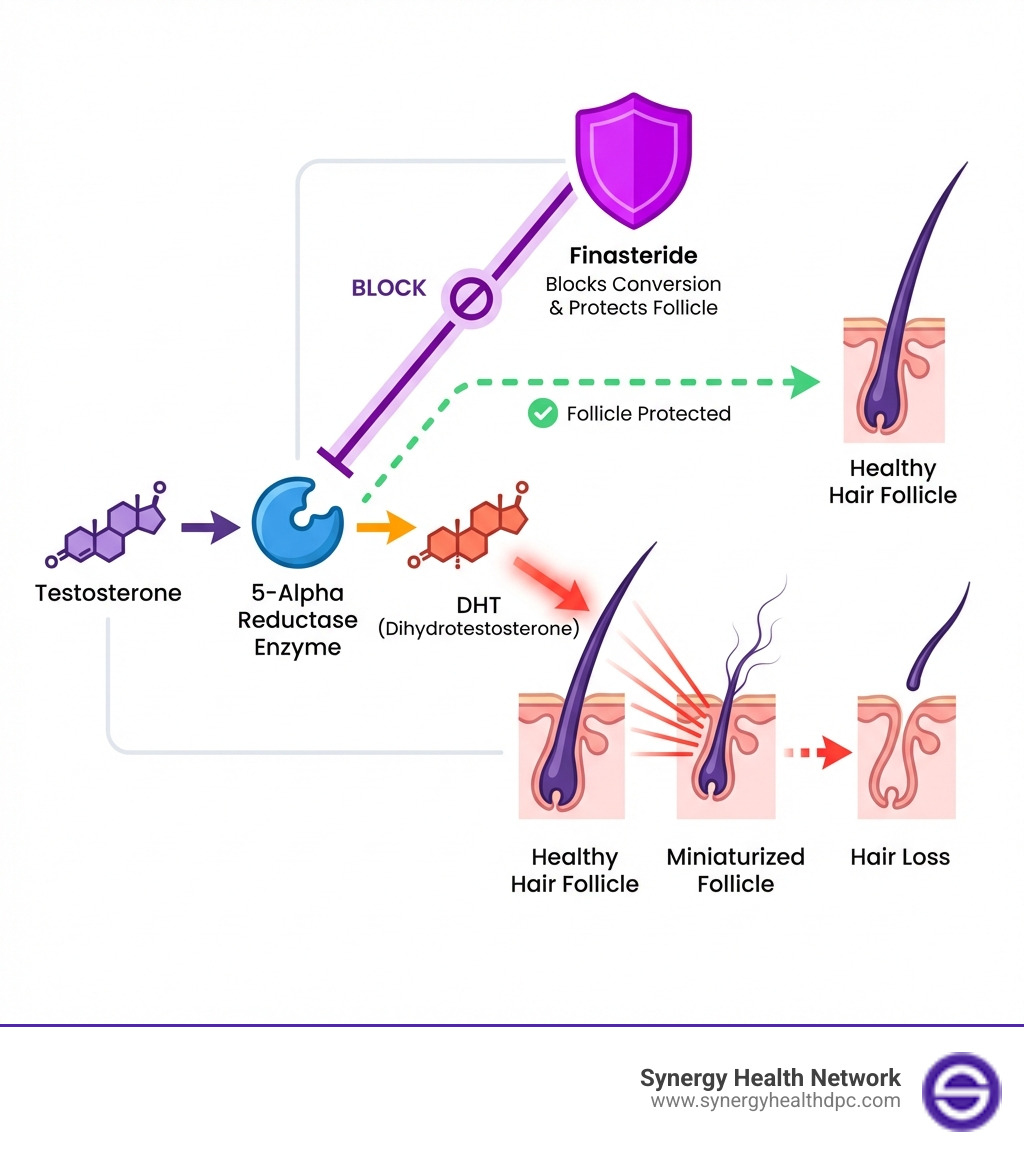
At its core, finasteride 1mg targets one of the primary culprits behind male pattern hair loss: dihydrotestosterone (DHT). To truly understand how this medication helps, let’s dive into the fascinating science behind it.
Male pattern hair loss, or androgenetic alopecia, is a hereditary condition where hair follicles on the scalp become sensitive to DHT. This sensitivity causes the follicles to shrink, producing shorter, thinner, and finer hairs over time—a process known as hair follicle miniaturization. Eventually, these miniaturized follicles can stop producing hair altogether.
So, where does DHT come from? It’s converted from testosterone, a male hormone, by an enzyme called 5-alpha reductase. Specifically, finasteride 1mg is a specific inhibitor of the Type II 5-alpha reductase enzyme. This particular enzyme is predominantly found in key areas like the prostate, seminal vesicles, epididymides, and, you guessed it, hair follicles.
By blocking this enzyme, finasteride 1mg significantly reduces the conversion of testosterone into DHT. Studies show it can lower tissue DHT levels by approximately 66%. This reduction in DHT means less of the hormone is available to bind to hair follicles and trigger their miniaturization. The result? Existing hair follicles can recover, hair loss can slow down, and in many cases, new hair growth can be stimulated. It’s like giving your hair follicles a much-needed break from the constant assault of DHT.
How long does it take to see results?
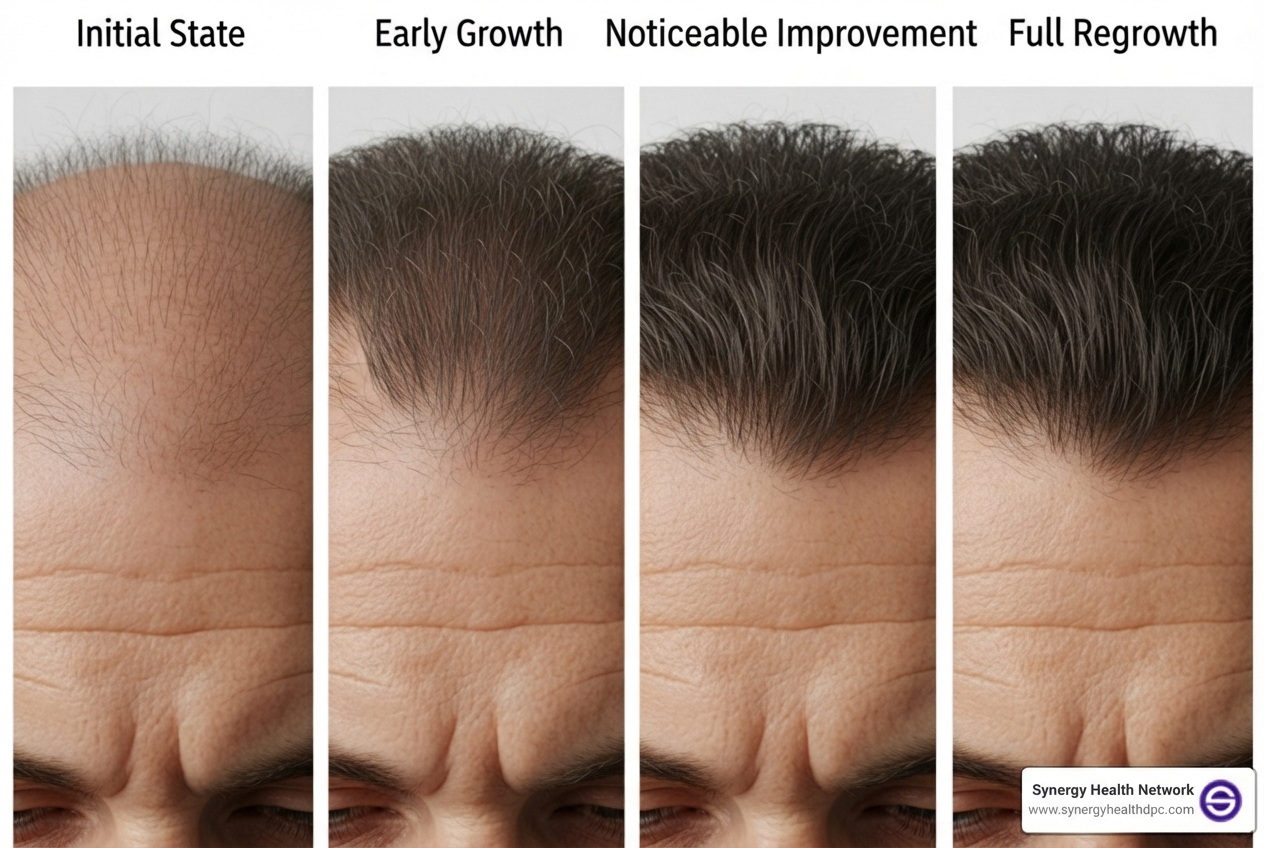
Patience is a virtue, especially when it comes to hair regrowth. While finasteride 1mg begins working internally right away by reducing DHT levels, the visible results on your scalp take time. Hair growth is a slow process, and your follicles need time to recover and produce healthier strands.
You’ll generally need to use finasteride 1mg daily for at least three months before you start to notice any visible benefits. For some men, it might take even longer, up to six to twelve months, to see the full effect. This isn’t a quick fix, but a long-term commitment to improving your hair health.
It’s also important to remember that the effects of finasteride 1mg only last as long as you take the medication. If you stop treatment, the DHT levels in your body will gradually return to their pretreatment levels, and any hair growth benefits will likely reverse within 12 months. Consistent, daily use is key to maintaining your positive results.
What do the studies say about effectiveness?
The effectiveness of finasteride 1mg for male pattern hair loss is well-documented through extensive clinical trials. The data consistently shows that it can be a powerful tool in the fight against hair loss.
Consider these compelling statistics:
- Long-term Success: In a significant 5-year study, 65% of men experiencing mild to moderate male pattern hair loss showed a positive result. This means they either experienced reduced hair loss or stimulated hair regrowth. That’s a pretty good batting average!
- Investigator Assessment: When investigators rated hair growth, the numbers were even more impressive:
- At 12 months, 65% of men treated with PROPECIA (the brand name for finasteride 1mg) had increased hair growth, compared with only 37% in the placebo group.
- By the 5-year mark, a remarkable 77% of men on PROPECIA were rated as having increased hair growth, while only 15% in the placebo group saw similar improvements.
- Slowing Progression: Beyond just regrowth, finasteride 1mg also excels at preventing further hair loss. At 12 months, 58% of men in the placebo group experienced further hair loss, compared with a mere 14% of those treated with PROPECIA. After 5 years, 100% of the placebo group showed continued hair loss, whereas only 35% of the PROPECIA group did.
These studies confirm that finasteride 1mg effectively slows the progression of hair loss and promotes regrowth, particularly in the vertex (the crown of the head) and anterior mid-scalp areas. While it might not work miracles for bitemporal recession (receding temples), its proven efficacy for the top and mid-scalp makes it a cornerstone of hair loss treatment for many men.
Dosage, Administration, and Finasteride 1mg vs. 5mg
Understanding the correct dosage and how to take your medication is crucial for its effectiveness and safety. Finasteride comes in two primary strengths, 1mg and 5mg, each prescribed for different conditions.
Here’s a quick comparison:
| Feature | Finasteride 1mg (e.g., Propecia) | Finasteride 5mg (e.g., Proscar) |
|---|---|---|
| Indication | Male Pattern Hair Loss (Androgenetic Alopecia) | Benign Prostatic Hyperplasia (BPH – enlarged prostate) |
| Dosage | 1mg once daily | 5mg once daily |
| Primary Goal | Reduce hair loss, stimulate hair regrowth | Shrink prostate, improve urinary symptoms |
| Availability | Brand name (Propecia) and generic | Brand name (Proscar) and generic |
As you can see, finasteride 1mg is specifically formulated and approved for treating male pattern hair loss. The 5mg dose, often known by its brand name Proscar, is prescribed for benign prostatic hyperplasia (BPH), a condition where the prostate gland enlarges, leading to urinary problems.
Some individuals, in an effort to save on costs, might consider “pill splitting” a 5mg tablet to achieve a 1mg dose. While a 5mg tablet is generally inexpensive and can sometimes be quartered to approximate a 1mg dose, we recommend discussing this with your healthcare provider. It’s important to ensure you’re getting a consistent and accurate dose, as tablets may not always split evenly, and crushing or breaking them is generally not advised for safety reasons (which we’ll discuss later).
Regardless of the strength, proper storage is important. Store your finasteride tablets in a closed container at room temperature, away from excessive heat, moisture, and direct light. Make sure to keep them out of reach of children.
Recommended Dosage for Finasteride 1mg
For male pattern hair loss, the recommended dosage for finasteride 1mg is straightforward:
- Take one 1mg tablet orally once a day.
- You can take it with or without food—whatever is most convenient for your routine.
- The key is consistency. Try to take your finasteride 1mg at approximately the same time each day to maintain stable levels of the medication in your system.
- Always swallow the tablet whole with a drink of water. Do not break, crush, or chew the tablets. This is particularly important because finasteride can pose a risk to pregnant women if they come into contact with the active ingredient, as it can be absorbed through the skin.
What should I do if I miss a dose?
Life happens, and sometimes we forget to take our medication. If you miss a dose of finasteride 1mg, here’s what we recommend:
- If it’s less than 6 hours late: Go ahead and take the missed dose as soon as you remember.
- If it’s more than 6 hours late: Skip the missed dose entirely and simply take your next dose at its usual scheduled time.
It’s very important not to take two doses to make up for a forgotten one. Taking more than your prescribed dose won’t make the medication work faster or better, and it could increase your risk of side effects.
If you find yourself frequently forgetting doses, consider setting a daily alarm or using a pill organizer as a reminder. Consistency is crucial for the effectiveness of finasteride 1mg.
Understanding the Risks and Side Effects of Finasteride 1mg
Like any medication, finasteride 1mg comes with potential side effects and important precautions. While it’s generally well-tolerated by most men, being informed about these possibilities is part of making an educated decision about your treatment.
Common Side Effects and Their Incidence
The most commonly reported side effects associated with finasteride 1mg are related to sexual function. It’s understandable to be concerned about these, so let’s look at the data:
- Decreased Libido (Sex Drive): In clinical trials, 1.8% of men taking finasteride 1mg reported decreased libido, compared to 1.3% in the placebo group.
- Erectile Dysfunction (ED): 1.3% of men on finasteride 1mg experienced erectile dysfunction, versus 0.7% in the placebo group.
- Ejaculation Disorder: This includes issues like decreased ejaculate volume, reported by 1.2% of finasteride 1mg users compared to 0.7% on placebo. In one study, a median decrease in ejaculate volume of 0.3 mL (-11%) was observed after 48 weeks of treatment.
It’s reassuring to know that for many men, the incidence of these drug-related sexual adverse experiences tends to decrease over time. Studies have shown that the occurrence of these side effects dropped to ≤0.3% by the fifth year of treatment with PROPECIA. This suggests that your body may adjust to the medication over time.
Other less common side effects reported include:
- Breast Tenderness and Enlargement: Some men may experience male breast enlargement (gynecomastia) or tenderness. Though rare, male breast cancer has also been reported in postmarketing experience, and any changes in breasts, such as lumps, pain, or nipple discharge, should be promptly reported to a physician.
- Depression: Psychological depression has been reported, and postmarketing experiences also include reports of suicidal ideation.
While these side effects are certainly something to be aware of, it’s worth noting that the overall discontinuation rate due to adverse experiences in clinical trials was quite low—1.4% for those taking PROPECIA, which was similar to the placebo group (1.6%). Always discuss any concerns or symptoms you experience with your healthcare provider.
What is Post-Finasteride Syndrome (PFS)?
Post-Finasteride Syndrome (PFS) is a controversial and complex topic that refers to a collection of persistent side effects, primarily sexual, neurological, and physical, that reportedly continue even after men have stopped taking finasteride.
Those who report PFS describe symptoms such as:
- Persistent decreased libido
- Erectile dysfunction
- Decreased sexual arousal
- Problems with orgasm
- Genital numbness
- Depression, anxiety, and cognitive impairment
- Fatigue and muscle wasting
While some studies, particularly those focusing on self-reported cases, suggest a high incidence and severity of these symptoms, broader clinical experience and drug safety data show a very low incidence of persistent side effects. Many hair surgeons, for example, report rarely seeing permanent side effects in their patients on Propecia.
The medical community is still actively researching PFS to understand its exact mechanisms, prevalence, and potential treatments. If you experience any concerning symptoms that persist after discontinuing finasteride 1mg, it’s crucial to seek medical advice.
Important Precautions and Warnings
Before starting finasteride 1mg, be aware of several important precautions:
- Women and Children: Finasteride 1mg is strictly for men and is not indicated for use in women or pediatric patients.
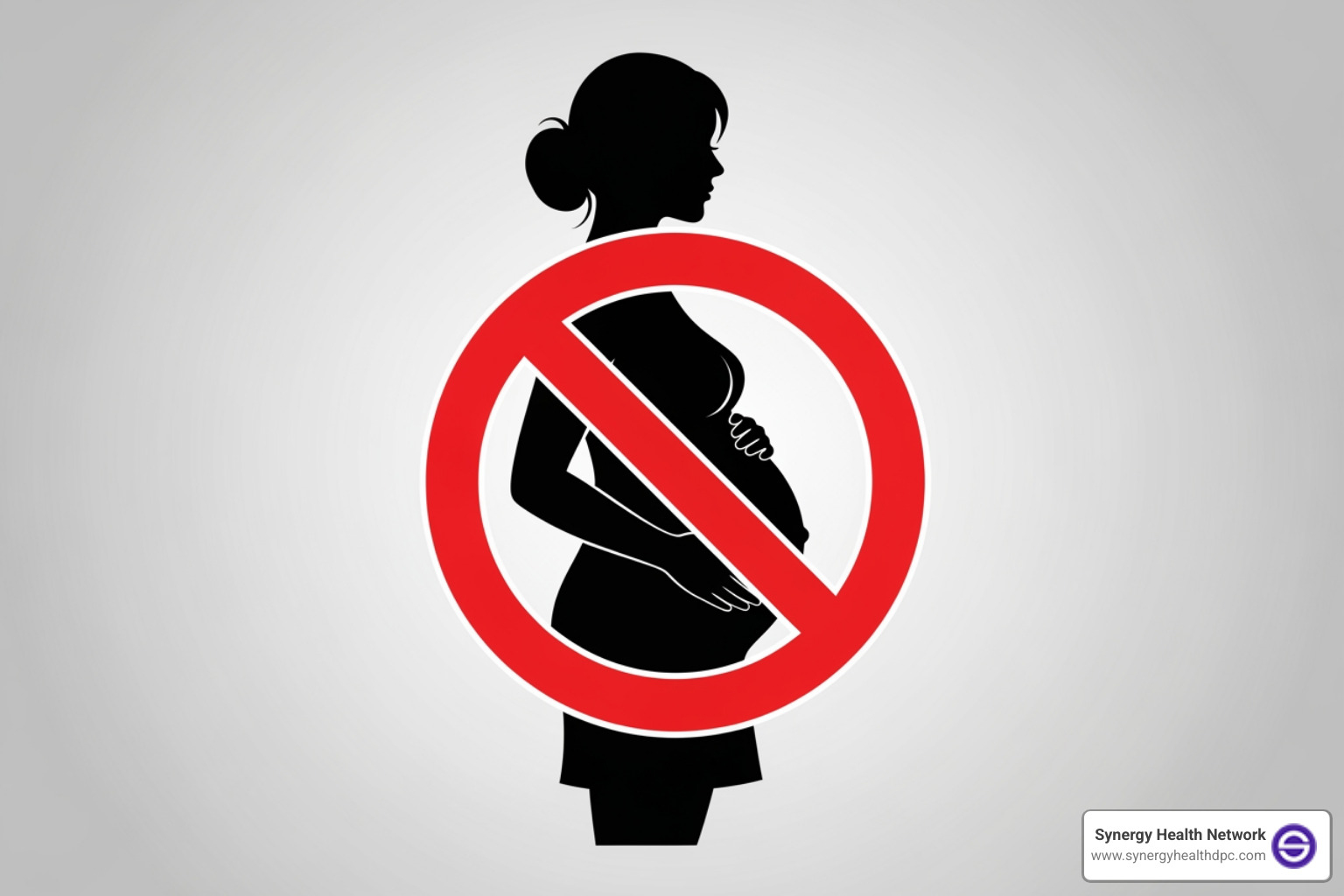
- Pregnancy Risk (Category X): This is a critical warning. Finasteride is Pregnancy Category X, meaning it is absolutely contraindicated in women who are pregnant or may become pregnant. Exposure to finasteride can cause severe abnormalities of the external genitalia in a male fetus.
- Handling Broken Tablets: For this reason, women who are pregnant or may become pregnant should never handle crushed or broken finasteride tablets. If accidental contact occurs, the affected area should be washed immediately with soap and water.
- Fertility and Semen Quality: While there’s no statistical evidence that finasteride 1mg affects sperm count or morphology in men with normal sperm counts, some studies suggest that men with pre-existing low sperm counts (hypospermia) might experience decreased fertility while on the medication. A median decrease in ejaculate volume of 0.3 mL (-11%) has been observed. If you are planning to have children or have concerns about fertility, discuss this thoroughly with your doctor before starting treatment.
- Drug Interactions: Fortunately, finasteride 1mg does not appear to significantly affect the cytochrome P450-linked drug-metabolizing enzyme system, which means it doesn’t typically interact with many other common medications. No clinically significant drug interactions have been identified with commonly used drugs.
- Prostate Cancer Screening (PSA Levels): This is a very important point for men considering finasteride 1mg. Finasteride significantly lowers serum Prostate-Specific Antigen (PSA) levels, typically by about 50%. PSA is a marker used in prostate cancer screening. If you are taking finasteride, it is absolutely crucial to inform all your doctors, especially those involved in prostate cancer screening. Your PSA test results will need to be carefully interpreted and adjusted to account for the medication’s effect. A confirmed increase in PSA while on finasteride, even if the number appears to be within the “normal” range for men not taking the drug, could signal the presence of prostate cancer and warrants further evaluation.
- Prostate Cancer Risk: While finasteride is used in a higher dose (5mg) to treat benign prostatic hyperplasia (BPH) and has been shown to reduce the overall incidence of prostate cancer, some studies using the 5mg dose have suggested a potential increased risk of developing high-grade prostate cancer (Gleason score 8-10). However, a significant 18 year follow-up study on prostate cancer risk found no statistically significant difference in survival rates between men with higher Gleason score prostate cancer who were on finasteride versus those who developed similar tumors and were not on finasteride. The clinical significance of this finding, particularly for the 1mg dose, is still being evaluated, but current thinking is that prostate cancer risk should not be a deterrent to using finasteride when indicated.
We understand that this information can feel a bit heavy, but our goal is to ensure you have a complete picture. We encourage you to have an open conversation with your healthcare provider about these precautions and any personal health concerns you may have.
Frequently Asked Questions about Finasteride
We often hear similar questions from men considering or currently taking finasteride 1mg. Let’s address some of the most common ones to provide even more clarity.
Can women use finasteride for hair loss?
Generally, no. Finasteride 1mg is specifically indicated for the treatment of male pattern hair loss and is not approved for use in women. In fact, clinical studies have not demonstrated its effectiveness in women with androgenetic alopecia.
The primary reason for this strict contraindication is the significant risk to a male fetus. As we mentioned, finasteride is Pregnancy Category X, meaning it can cause severe abnormalities of the external genitalia in male babies. Therefore, women who are pregnant or may become pregnant should not use finasteride at all and must avoid handling crushed or broken tablets. If a pregnant woman comes into contact with the medication, the area should be washed immediately with soap and water.
While some postmenopausal women may be prescribed a higher dose (2.5 to 5mg daily) off-label for hair loss, this is done under strict medical supervision, and it’s never an option for women of childbearing age due to the fetal risks.
How does finasteride affect prostate cancer screening?
This is a very important question because finasteride 1mg can significantly impact the interpretation of Prostate-Specific Antigen (PSA) test results, which are commonly used to screen for prostate cancer.
Here’s what you need to know:
- Lowered PSA Levels: Finasteride typically causes a substantial decrease in serum PSA levels, often by about 50%. For instance, in clinical studies with PROPECIA (finasteride 1mg) in men aged 18-41, the mean serum PSA decreased from 0.7 ng/mL at baseline to 0.5 ng/mL at Month 12. For older men, finasteride can cause a median 40-50% decrease in serum PSA.
- Informing Your Doctor is Crucial: Because finasteride lowers PSA, your doctor needs to be aware that you are taking it. They will need to adjust their interpretation of your PSA results. This might involve “doubling” your PSA value for comparison with normal ranges in untreated men, or evaluating any confirmed increase in PSA from its lowest point (nadir), even if the number still appears to be within the “normal” range for men not on the medication.
- Continued Screening: Taking finasteride does not eliminate the need for regular prostate cancer screening. You should continue to get screened as recommended by your doctor, but with the understanding that your PSA levels will be affected by the medication. Any confirmed increase in PSA while on finasteride may signal the presence of prostate cancer and requires careful evaluation.
What happens if I stop taking finasteride?
Think of finasteride 1mg as an ongoing treatment, not a permanent cure. Its effects are temporary and directly tied to its continued use.
If you decide to stop taking finasteride 1mg:
- Reversal of Effects: The beneficial effects you’ve experienced, such as reduced hair loss and any regrowth, will gradually reverse. Your body’s DHT levels will return to their pretreatment levels.
- Hair Loss Resumes: You can expect your hair loss to resume, and any hair gained will likely be lost again within 12 months of discontinuing treatment. Essentially, you’ll return to the hair loss pattern you had before starting the medication.
This is why doctors emphasize that finasteride 1mg therapy must be continued indefinitely to maintain positive results. If you’re considering stopping, we strongly recommend discussing it with your healthcare provider first to understand the implications for your hair and explore any alternative strategies.
Conclusion: Is Finasteride the Right Choice for You?
We’ve covered a lot of ground today, from the intricate mechanism of how finasteride 1mg battles DHT to the detailed clinical evidence supporting its effectiveness. We’ve also explored the potential side effects, important precautions, and answered some of your most pressing questions.
For many men experiencing male pattern hair loss, finasteride 1mg represents a proven and effective solution to slow hair loss and stimulate regrowth. The long-term studies paint a clear picture of its ability to significantly improve hair density and prevent further loss in a majority of users.
However, like any medical decision, it’s a personal one. The benefits of improved hair health must be weighed against the potential risks, including sexual side effects, the ongoing nature of the treatment, and the precautions related to prostate cancer screening.
That’s where personalized medical consultation comes in. At Synergy Health DPC, we believe in empowering you with information and access to care. Our direct primary care model offers unlimited virtual visits and 24/7 provider access, so you can have thorough discussions about your health concerns, including hair loss, without the hassle of traditional appointments or copays. We can help you determine if finasteride 1mg is the right choice for your specific situation, discuss your personal risk factors, and create a treatment plan custom to you.
If you’re ready to explore your options and take a proactive step against hair loss, we’re here to help.