Why Finding the Best Medicine for Hair Growth and Thickness Matters
The best medicine for hair growth and thickness depends on your specific type of hair loss, but FDA-approved options have the strongest evidence for results:
| Treatment | Best For | Timeline for Results | Availability |
|---|---|---|---|
| Minoxidil (Rogaine) | Men and women with pattern baldness | 6+ months | Over-the-counter |
| Finasteride (Propecia) | Men with male pattern hair loss | 4-12 months | Prescription only |
| Spironolactone | Women with hormonal hair loss | 4+ months | Prescription only |
| Platelet-Rich Plasma (PRP) | Those seeking advanced therapy | Multiple sessions needed | In-office procedure |
Watching your hair thin or noticing more strands in the shower drain can feel devastating. You’re not alone—female-pattern hair loss is common and increases with age, affecting millions of people who are searching for real solutions.
The good news? Medical science has come a long way. Today’s hair growth treatments are backed by research and FDA approval, not just marketing hype.
But here’s what most people don’t know: finding the right treatment starts with understanding what’s causing your hair loss. Is it genetics? Hormones? Stress? Nutritional deficiencies? Each cause responds differently to treatment.
The most effective approach combines proven medications with lifestyle changes and sometimes advanced procedures. It typically takes at least three months of regular use to see visible improvement regardless of the product used, so consistency is key.
In this guide, we’ll break down the medications and treatments that actually work—from over-the-counter options like minoxidil to prescription medications and advanced procedures like PRP therapy. We’ll also cover what to expect, how long results take, and when you should see a doctor for help.
Understanding Your Hair Loss: Diagnosis and When to See a Doctor
Before we dive into the exciting world of hair growth solutions, let’s get down to basics: why is your hair thinning in the first place? Hair loss isn’t a one-size-fits-all problem, and neither are its solutions. Identifying the root cause is the crucial first step toward finding the best medicine for hair growth and thickness.
Several factors can lead to hair loss, both temporary and permanent:
- Androgenetic Alopecia (Pattern Hair Loss): This is the most common cause, often hereditary. In men, it presents as a receding hairline and thinning on the crown. In women, it typically appears as overall thinning, especially along the part line, and increases with age.
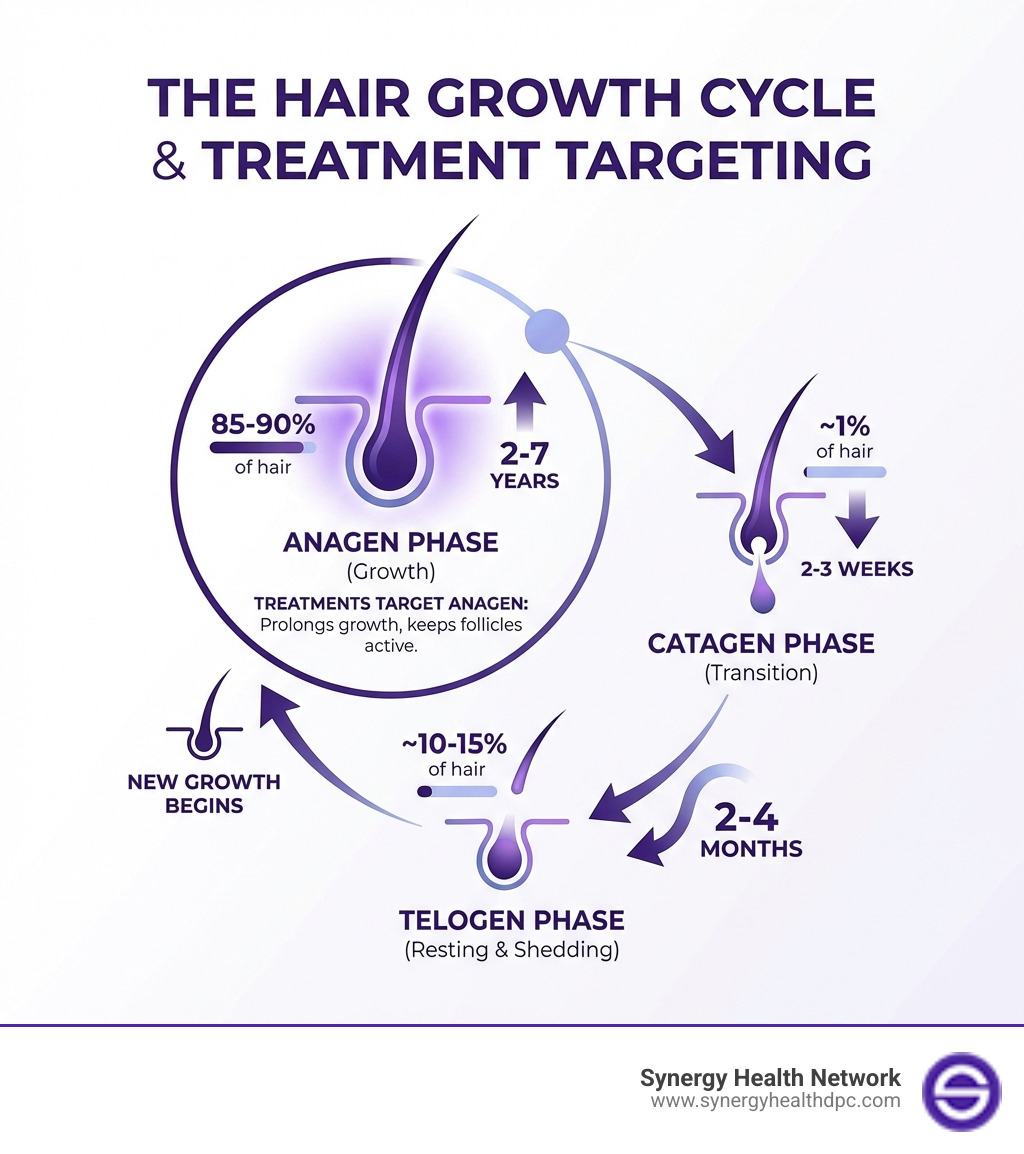
- Telogen Effluvium: This is a temporary form of hair loss that occurs after a stressful event, such as childbirth, severe illness, surgery, or extreme weight loss. It causes a large number of hairs to enter the resting (telogen) phase prematurely and then shed.
- Alopecia Areata: An autoimmune condition where the body’s immune system mistakenly attacks hair follicles, leading to patchy hair loss.
- Other Causes: Nutritional deficiencies (like iron or vitamin D), certain medications, hormonal imbalances (e.g., thyroid issues, PCOS), scalp infections (like tinea capitis), and even harsh hair care practices can contribute to hair loss.
When to Consult a Dermatologist
So, when should you stop self-diagnosing and seek professional help? We recommend consulting a doctor or dermatologist if:
- Your hair loss is sudden or patchy. This could signal an underlying medical condition, requiring prompt diagnosis.
- You’re experiencing significant distress over your hair loss. It’s a common concern, and effective treatments are available.
- You notice significant shedding that doesn’t seem to stop, or your hair is thinning at an accelerated rate.
- You have an irritated, painful, or scaling scalp. This could indicate an infection or inflammatory condition.
Early intervention often leads to better outcomes, so don’t hesitate to reach out.
Diagnostic Process
When you visit us with hair loss concerns, we’ll conduct a thorough diagnostic process to pinpoint the cause. This typically involves:
- Physical Exam: Your doctor will examine your scalp and hair, looking for patterns of loss, scalp health, and hair shaft quality.
- Medical and Family History: We’ll ask about your diet, hair care routine, any medications or supplements you’re taking, and if hair loss runs in your family. This helps us understand potential genetic or lifestyle factors.
- Blood Tests: These might be ordered to rule out underlying medical conditions such as thyroid problems, iron deficiency, or hormonal imbalances that can cause hair loss.
- Pull Test: A gentle tug on a small section of hair to see how many strands come out, helping to assess the severity of shedding.
- Scalp Biopsy: In some cases, a small sample of scalp tissue may be taken and examined under a microscope to diagnose specific conditions like alopecia areata or scarring alopecias.
- Light Microscopy: Examining hair strands under a microscope can reveal disorders of the hair shaft itself.
Understanding the precise cause allows us to tailor the most effective treatment plan for you. For more detailed information on how we approach hair loss, please visit our dedicated page: More info about our hair loss services
The Best Medicine for Hair Growth and Thickness: FDA-Approved Options
Once the cause of your hair loss is clear, we can discuss the most effective treatments. The gold standard is FDA-approved medications, which have undergone rigorous testing for safety and efficacy.
Consistency is key. It typically takes at least three months of regular use to see visible improvement. Managing expectations and committing to the treatment plan are crucial for success.
Topical Minoxidil: The Over-the-Counter Powerhouse
Minoxidil is the most well-known over-the-counter treatment for hair loss and a well-studied topical ingredient for regrowth.
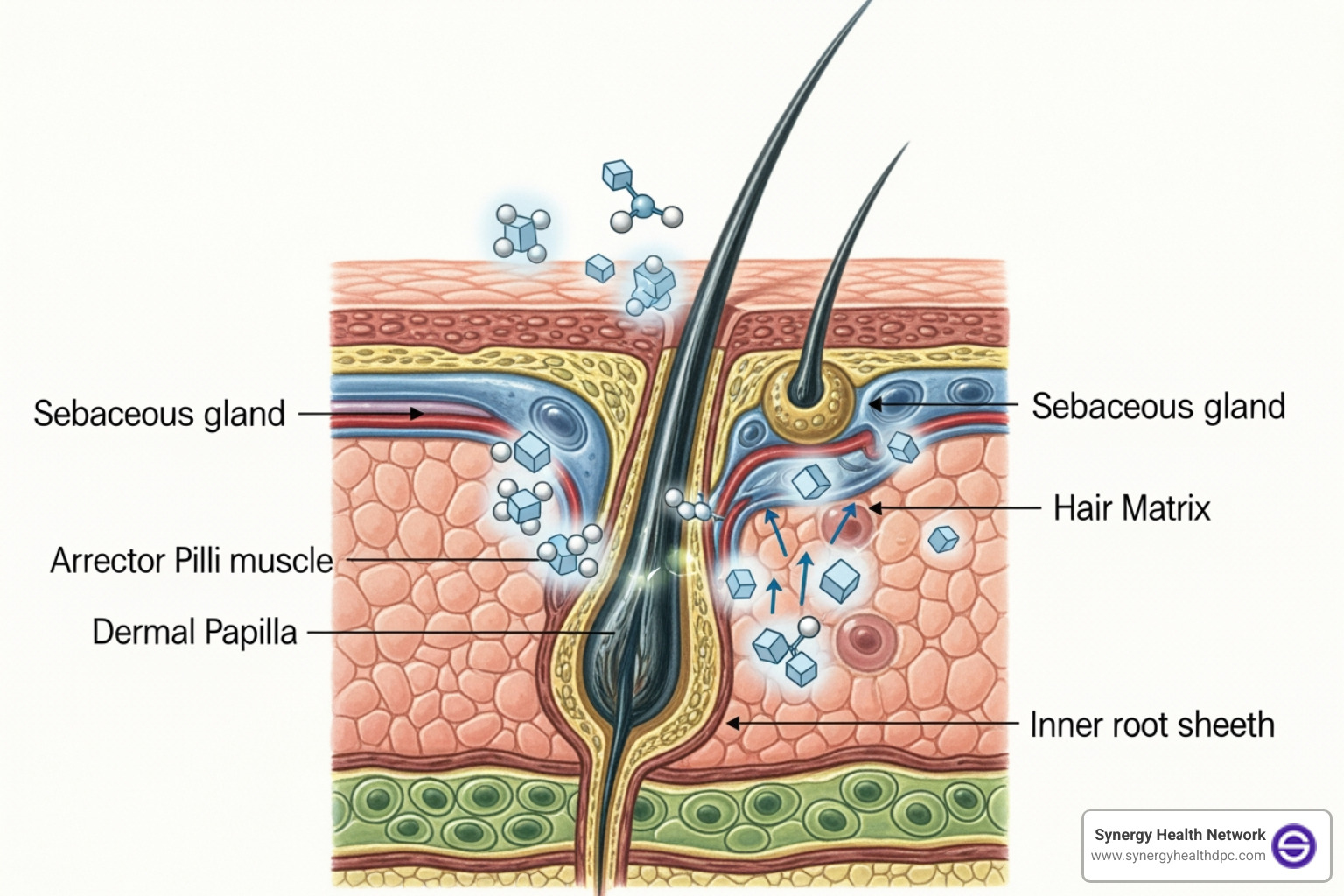
- Mechanism of Action: Minoxidil is a vasodilator that increases blood flow to hair follicles. This prolongs the growth (anagen) phase, reactivates dormant follicles, and stimulates new growth.
- For Men and Women: Minoxidil is effective for both men and women with pattern baldness. Concentrations of 5% are common for men (twice daily), while women often use 2% or 5% (once daily).
- Application Forms: It is available as a liquid, foam, or in shampoos. Foam is often preferred for its ease of use.
- Expected Results Timeline: It may take 2 to 4 months to notice improvement and at least six months for regrowth. Some need up to a year for noticeable thickening. Consult your care team if no growth is seen after 4 months.
- Potential Side Effects: Common side effects include scalp irritation, dryness, and itching. An initial increase in shedding for up to 2 weeks is a normal sign the medication is working. Unwanted facial hair can occur in women but is usually reversible. Less common side effects include dizziness or swelling of hands and feet.
Continuous use of minoxidil is required to maintain results. If you stop, regrown hair will likely fall out within 3 months.
Oral Finasteride: A Prescription for Men
Finasteride is a prescription oral medication for male pattern hair loss.
- Mechanism of Action: Finasteride blocks the conversion of testosterone to dihydrotestosterone (DHT), a hormone that shrinks hair follicles. Lowering DHT slows hair loss and can stimulate new growth.
- Prescription Only for Men: Finasteride is only for men and is not recommended for women, especially those who are or may become pregnant, due to risks to a male fetus.
- Expected Results Timeline: Results may appear after four months, but significant growth can take up to a year. Daily use is essential to maintain results.
- Potential Side Effects: Finasteride can cause sexual side effects like decreased libido or erectile dysfunction. These are uncommon and usually reversible after stopping the medication, though it may take months. We will discuss all risks with you.
Other Prescription Medications for Hair Growth and Thickness
- Anti-androgens (e.g., Spironolactone): Often prescribed for women with hormonal hair loss, spironolactone blocks androgens that damage hair follicles. Results may appear after four months. It should not be taken by women trying to become pregnant. Oral contraceptives can also act as anti-androgens.
- Corticosteroids: For autoimmune hair loss (e.g., alopecia areata), corticosteroids suppress the immune system’s attack on follicles. They can be administered topically, via injections (regrowth may be seen in one or two months), or orally.
- Dutasteride: Similar to finasteride, dutasteride is another DHT blocker sometimes prescribed off-label for male pattern hair loss.
- Antifungal Medications: For fungal scalp infections like tinea capitis, oral antifungals are prescribed. Results often take one or two months.
Advanced Treatments and In-Office Procedures
Sometimes, medications alone aren’t enough, or a patient prefers to explore other avenues. Advanced treatments and in-office procedures offer additional powerful tools in our fight against hair loss, often complementing medication for superior results.
These options can be particularly beneficial for individuals who haven’t responded sufficiently to conventional treatments, or those seeking to augment their current regimen. We’ll help you determine if you’re a good candidate for these more involved therapies.
Low-Level Laser Therapy (LLLT)
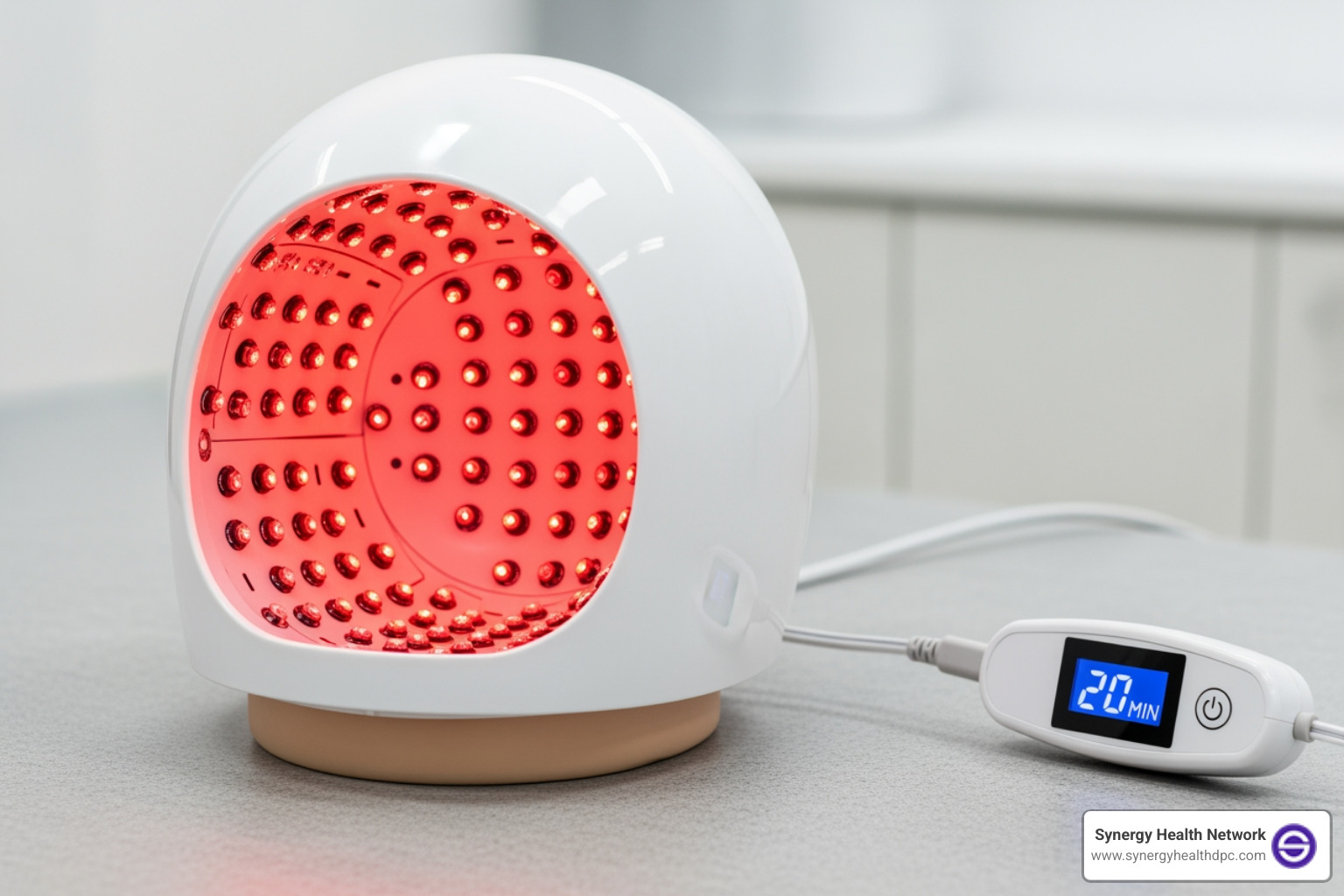
Low-Level Laser Therapy (LLLT), also known as red light therapy, involves exposing the scalp to specific wavelengths of light.
- Mechanism: The theory behind LLLT is that it stimulates hair follicles by increasing cellular activity and energy production. This can help prolong the anagen (growth) phase of the hair cycle, improve blood flow to the scalp, and reduce inflammation.
- FDA-Cleared Devices: Various LLLT devices, such as laser combs, caps, and helmets, are FDA-cleared for hereditary hair loss in both men and women. This means they have been found safe for use.
- At-Home and In-Office Options: Many LLLT devices are available for convenient at-home use, while some clinics offer more powerful in-office treatments.
- Scientific Evidence and Limitations: While FDA-cleared, the scientific evidence for LLLT’s long-term effectiveness in restoring hair or preventing balding is still evolving and requires more robust research. Some experts suggest that while it may stimulate existing follicles, it might not be as effective in regrowing hair in completely bald areas. It’s generally considered a supportive therapy rather than a standalone cure.
Platelet-Rich Plasma (PRP) Therapy
Platelet-Rich Plasma (PRP) therapy is an exciting, cutting-edge treatment that harnesses your body’s own healing capabilities.
- Using Patient’s Own Blood: The process begins with drawing a small amount of your blood. This blood is then processed in a centrifuge to separate the platelet-rich plasma, which contains a high concentration of growth factors.
- Growth Factors: These powerful growth factors are crucial for tissue repair and regeneration. When injected into the scalp, they are believed to stimulate dormant hair follicles, promote new hair growth, and improve hair thickness and density.
- Stimulating Follicles: PRP injections can trigger natural hair growth and maintain it by increasing blood supply to the hair follicle and increasing the thickness of the hair shaft.
- Treatment Schedule: PRP therapy typically involves a series of initial treatments (often 3-4 sessions spaced a few weeks apart), followed by maintenance sessions every 6-12 months, depending on individual response.
- How PRP is Integrated into Personalized Care: PRP is a well-studied in-office treatment for androgenetic alopecia and can be particularly useful for patients who prefer to avoid medications or to augment the effects of medical therapy. It’s a fantastic option for those looking for a more natural approach using their body’s own resources.
Supporting Treatments: Topicals, Supplements, and Lifestyle
While FDA-approved medications are powerful, a holistic approach often yields the best results for achieving the best medicine for hair growth and thickness. This means creating a healthy environment for your hair to thrive.
The Role of Supplements in Hair Health
Supplements can be supportive, but it’s best to consult a healthcare provider first and have realistic expectations.
- Biotin for Deficiency: If you have a biotin deficiency, supplementation can help with hair loss. However, for those without a deficiency, there is not enough scientific evidence that taking megadoses of biotin improves hair growth. In fact, as noted by the National Institutes of Health, high doses can interfere with certain lab tests.
- Iron and Vitamin D Levels: Low levels of these nutrients can contribute to hair loss. If blood tests reveal a deficiency, supplementing under medical guidance is beneficial.
- Collagen Peptides: Collagen is a major component of hair. While popular, direct scientific evidence linking collagen supplements to hair growth is still emerging.
- Importance of Blood Work Before Supplementing: We always recommend blood work before starting supplements to identify true deficiencies and avoid unnecessary or potentially harmful doses.
The Best Topical Ingredients for Hair Growth and Thickness (Beyond Minoxidil)
While minoxidil is king, other topical ingredients can contribute to hair health.
- Rosemary Oil: This natural oil has strong data supporting its ability to improve circulation and hair growth, with some studies finding it comparable to 2% minoxidil.
- Peptides: These amino acid chains can signal hair follicles to stimulate growth and strengthen hair.
- Caffeine: Topical caffeine is believed to stimulate follicles and counteract the effects of DHT.
- Ketoconazole Shampoo for Scalp Health: Found in anti-dandruff shampoos (like Nizoral), this ingredient’s anti-inflammatory and antifungal properties improve scalp health, which is foundational for hair growth. We recommend using it two to three times a week.
- Other Promising Ingredients: Look for niacinamide, ginseng root extract, saw palmetto, and pumpkin seed oil to support follicle health.
Leave-on treatments (serums, oils) are often more effective than wash-out products as they have more time to work.
Lifestyle Changes for Healthier, Thicker Hair
Supporting your hair from the inside out can make a world of difference.
- Balanced Diet: Eat a diet rich in protein, healthy fats, vitamins, and minerals. Focus on lean meats, fish, eggs, leafy greens, nuts, and fruits.
- Stress Management Techniques: Chronic stress can increase shedding. Practices like yoga, meditation, and regular exercise can reduce stress.
- Gentle Hair Care: Minimize harsh chemical treatments and heat styling. Use a mild shampoo and be gentle when washing and brushing.
- Avoiding Tight Hairstyles: Styles that pull on the hair, like tight ponytails or braids, can cause traction alopecia. Opt for looser styles.
- Scalp Health: A clean, healthy scalp is vital. Address any issues like excessive oiliness or dryness to foster a healthy follicle environment.
Frequently Asked Questions about Hair Growth Treatments
Here are answers to some of the most common inquiries we receive about hair growth treatments.
How long does it take to see results from hair growth treatments?
This varies by treatment and individual, but patience and consistency are paramount.
- General Rule: Expect to use any product for at least three months to see visible improvement. Hair grows slowly, so it takes time for changes to become noticeable.
- Minoxidil: It may take 2 to 4 months for initial improvement and at least six months for regrowth. Significant thickening can take up to a year. An initial shedding phase is normal.
- Finasteride: Men typically see results after four months, but significant growth may take up to a year.
- Antiandrogens (e.g., Spironolactone): Results usually appear after four months of consistent use.
- Corticosteroid Treatments: With injections for alopecia areata, you might see regrowth in one or two months.
- Antifungal Medications: For scalp fungus, it often takes one or two months to see results.
Continuous use of most medical treatments is necessary to maintain results. Stopping will likely cause a return to your previous hair loss pattern.
Are hair growth treatments different for men and women?
Yes. While some treatments like minoxidil work for both, others are gender-specific due to hormonal and genetic differences.
- Minoxidil: This over-the-counter treatment is effective for both men and women, though recommended concentrations and application frequency may differ.
- Finasteride: This prescription is only approved and recommended for men. It is not suitable for women due to potential risks to a male fetus.
- Anti-androgens (e.g., Spironolactone): These are primarily prescribed for women with hormonal hair loss.
- Other Differences: Women’s hair loss is often more diffuse and may be related to conditions like PCOS, requiring a different diagnostic approach than the typical patterns seen in men.
What are the most common side effects and how are they managed?
All medications can have side effects, which we will discuss with you. We can help manage any issues that arise.
- Topical Minoxidil:
- Common: Scalp irritation, itching, or dryness. A temporary increase in shedding is also normal.
- Management: Proper application helps. We may suggest switching formulations (e.g., foam instead of liquid) or reducing frequency.
- Unwanted Facial Hair: More common in women and usually reversible if usage stops.
- Less Common but Serious: Stop use and contact us immediately for dizziness, rapid heartbeat, chest pain, or swelling of hands/feet.
- Oral Finasteride:
- Common: Sexual side effects such as decreased libido or erectile dysfunction. Breast tenderness can also occur.
- Management: These side effects are generally reversible upon stopping the medication, though it can take months. We monitor you closely and discuss options if they arise.
- Antiandrogens (e.g., Spironolactone): Potential side effects include dizziness, breast tenderness, and menstrual irregularities. It is contraindicated in pregnancy.
- Corticosteroids: Side effects depend on the type and duration of use. Topical use can cause skin thinning, while oral steroids have a wider range of potential side effects.
- General Management: Always inform us about any side effects. We can often manage them by adjusting the dosage or switching treatments.
Take Control of Your Hair Health Today
We’ve covered a lot of ground, from understanding the diverse causes of hair loss to exploring the most effective FDA-approved medications and supportive treatments. Whether it’s the over-the-counter reliability of minoxidil, the targeted action of prescription finasteride or spironolactone, or advanced therapies like PRP and LLLT, solutions exist to help you achieve the best medicine for hair growth and thickness.
The key takeaway? A personalized approach is absolutely essential. Your hair loss is unique, and so should be your treatment plan. Trying random products without a proper diagnosis can be frustrating, costly, and ineffective.
That’s where we come in. A medical professional can accurately diagnose the cause of your hair loss through a thorough examination and necessary tests. This precise diagnosis allows us to recommend the most appropriate and effective treatments custom specifically for you.
At Synergy Health DPC, we offer virtual consultations, making it easy and convenient to address your hair loss concerns from the comfort of your home. We can help you steer the options, manage expectations, and create a custom treatment plan that fits your lifestyle and goals.
Don’t let hair loss impact your confidence. Take the first step towards healthier, thicker hair.