Why Telehealth Online Doctors Are Changing Healthcare Access
A telehealth online doctor connects you with licensed medical professionals through video calls, phone consultations, or secure messaging—no waiting room required. Here’s what you need to know:
Quick Overview:
- What it is: Virtual medical care through your phone, tablet, or computer
- Who provides it: Licensed doctors and nurse practitioners (often with 9+ years of experience)
- When to use it: Non-emergency conditions like cold/flu, UTIs, skin issues, mental health, and chronic disease management
- Cost: Ranges from free (with provincial health plans in some areas) to $55-$210 per visit, or unlimited visits through membership models
- Availability: Many providers offer 24/7 access with appointments available in minutes
The telehealth market has exploded in recent years. It was valued at $112.4 billion in 2022 and is projected to reach $654.4 billion by 2032—a growth rate of 19.1% annually. During the COVID-19 pandemic, telehealth use surged by over 6000% in some areas, and it hasn’t slowed down since.
Why the rapid growth? Over 75% of healthcare providers now offer telehealth services because patients love it. The convenience of getting quality care from anywhere, at any time, without the hassle of commuting or sitting in a waiting room has transformed how people think about healthcare. Patients frequently share stories of incredible convenience, like renewing a prescription in minutes from their couch or getting a prescription for a UTI in the middle of the night when they needed it most.
This guide will walk you through everything you need to know about telehealth online doctors—from how the technology works to what conditions can be treated, how to choose a provider, what it costs, and how your privacy is protected. Whether you’re tired of long waits, high costs, or simply want healthcare that fits your schedule, telehealth might be exactly what you’re looking for.
What is Telehealth and How Does It Work?
Telehealth, at its core, is the delivery of healthcare services and information using electronic information and telecommunication technologies. Think of it as a virtual bridge connecting you with medical professionals, no matter where you are. This digital approach encompasses a wide range of services, making healthcare more accessible and convenient than ever before.
The primary ways a telehealth online doctor interacts with patients include:
- Video Calls: This is perhaps the most common and comprehensive form of virtual care, allowing for face-to-face interaction. You can see your doctor, and they can observe you, helping with visual assessments of symptoms like rashes or minor injuries.
- Phone Calls: For less visual concerns, a traditional phone call can still provide effective consultation, allowing you to discuss symptoms and receive medical advice or prescriptions.
- Secure Messaging: Many platforms offer secure messaging portals where you can exchange non-urgent health information, ask questions, or receive follow-up instructions from your provider.
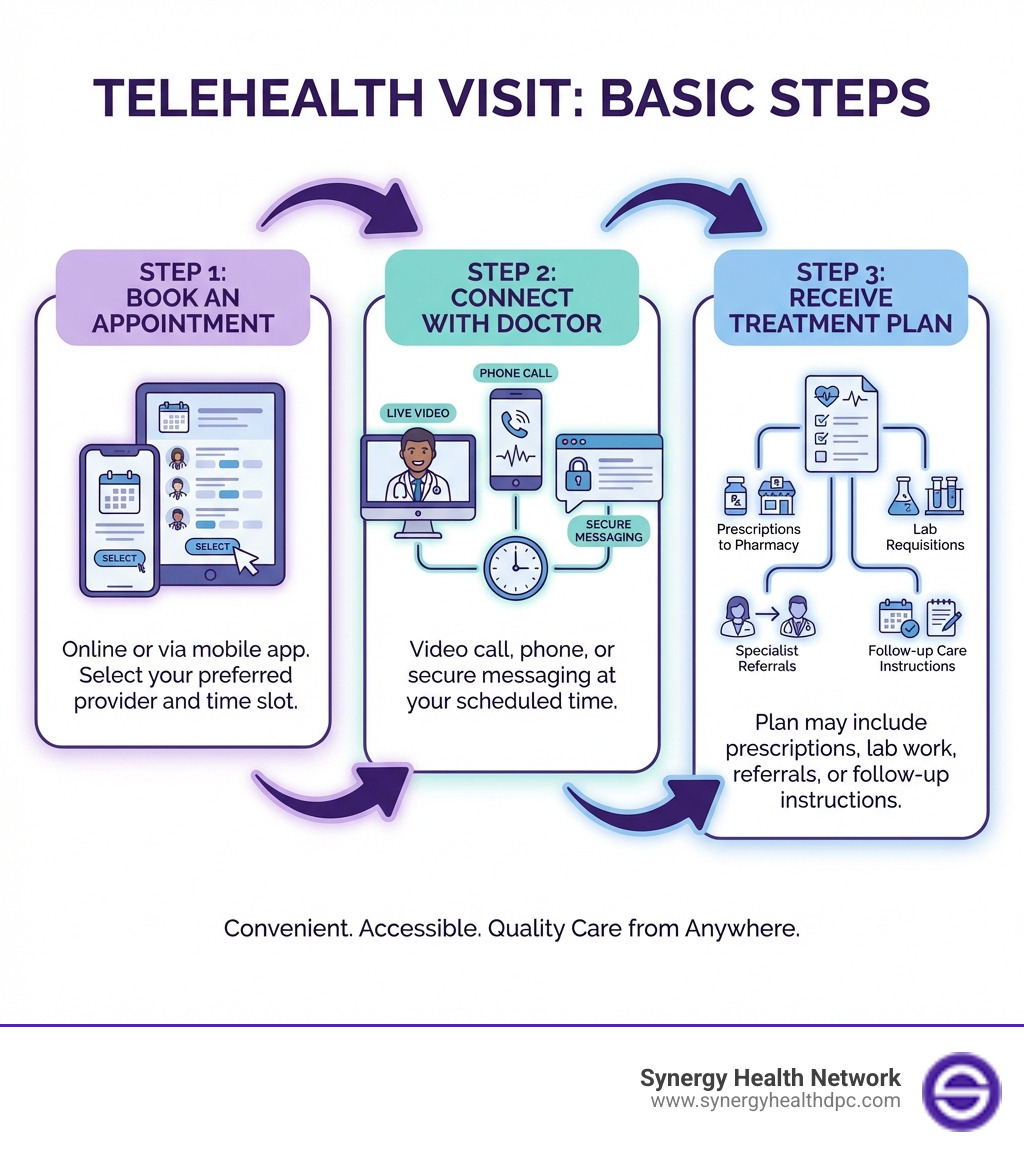
The process for engaging with a telehealth online doctor is remarkably straightforward, designed to minimize hassle and maximize efficiency:
- Account Registration: First, you typically create an account with a telehealth provider through their website or mobile app. This usually involves providing basic personal information, a medical history, and sometimes payment or insurance details.
- Booking an Appointment: Once registered, you can browse available doctors, view their profiles, and select an appointment time that fits your schedule. Many platforms offer immediate “walk-in” style appointments or allow you to schedule in advance.
- The Virtual Consultation: At your scheduled time, you connect with your doctor via your chosen method (video, phone, or secure chat). During this virtual visit, you’ll discuss your symptoms, medical history, and any concerns. The doctor will assess your condition, offer a diagnosis, and recommend a treatment plan, which might include prescriptions, lab orders, or specialist referrals.
Telehealth isn’t a one-size-fits-all solution; it comes in different forms:
- Synchronous (Real-Time): This involves live, interactive communication between you and your doctor. Video calls and phone consultations fall into this category, mimicking an in-person visit in real-time.
- Asynchronous (Store-and-Forward): This method involves collecting and transmitting medical information (like images, videos, or patient forms) to a healthcare provider, who then reviews it at a later time and provides a response. This is often used for dermatology cases or for second opinions where immediate interaction isn’t critical.
The Technology Behind Virtual Care
Behind every seamless virtual visit is a sophisticated technological infrastructure. It’s not just about a video call; it’s about integrated systems that ensure your health information is secure and accessible.
- Patient Portals: These secure online platforms act as your personal health hub. Through a patient portal, you can often manage your appointments, access your visit history, review billing information, and securely message your doctor. This centralized access helps streamline your healthcare experience.
- Mobile Apps: The rise of dedicated mobile apps has made accessing a telehealth online doctor as easy as tapping a screen. These apps often feature intuitive interfaces for booking, conducting virtual visits, and managing prescriptions.
- Remote Monitoring Devices: While not always directly part of a general telehealth visit, remote monitoring devices are an expanding area of virtual care. These devices can track vital signs, glucose levels, or heart rhythms from home, transmitting data to your doctor for continuous oversight, especially beneficial for chronic conditions. This remote data collection allows for proactive care and early intervention.
To dig deeper into how technology is changing medical diagnostics, explore our insights on The Future is Remote: A Deep Dive into Diagnostic Services.
The Best Benefits and Common Uses of Virtual Care

Choosing a telehealth online doctor offers a treasure trove of benefits that traditional in-person visits often can’t match. We’re talking about a paradigm shift in how we access and experience healthcare, making it more patient-centric than ever.
One of the most appealing aspects is sheer convenience. Imagine needing to see a doctor but not having to factor in travel time, parking, or the dreaded waiting room. With telehealth, your doctor’s office is wherever you are – your living room, your actual office, or even a quiet corner of a coffee shop. This eliminates the need to commute, saving you gas money and valuable time. Plus, skipping the waiting room means less exposure to other sick patients, which is a win for everyone’s immune system! For more on making your healthcare fit your life, check out our insights on Convenient Scheduling.
Accessibility is another monumental benefit. For those in rural areas with limited access to specialists or even primary care physicians, telehealth opens up a world of possibilities. It also provides a lifeline for individuals with mobility issues, chronic illnesses that make travel difficult, or those with demanding schedules that prevent traditional office visits. Many providers now offer 24/7 access, meaning you can often connect with a doctor within minutes, even in the middle of the night. This kind of immediate access can be a game-changer for urgent, non-emergency concerns.
And let’s not forget the potential for cost savings. While the direct cost of a telehealth visit can vary, the indirect savings are often significant. Providers often have lower overheads, which can sometimes translate to more affordable services. For patients, avoiding travel costs, reducing missed workdays, and potentially preventing more serious (and expensive) conditions through earlier intervention can add up to substantial financial benefits.
We believe in the power of virtual care to transform lives. Find more about how it’s making a difference in our article on The Benefits of Virtual Healthcare.
What Conditions Can Be Treated Virtually?
You might be wondering, “What exactly can a telehealth online doctor help me with?” The scope of conditions treatable through virtual care is surprisingly broad, covering everything from minor acute illnesses to ongoing management of chronic diseases and crucial mental health support.
For acute conditions, virtual care is often a perfect fit. If you’re battling a:
- Cold & flu
- Urinary Tract Infection (UTI)
- Skin rashes or minor skin issues like acne
- Minor injuries that don’t require immediate in-person assessment (e.g., sprains, strains)
- Allergies, asthma flare-ups, or acid reflux
- General walk-in complaints like sore throats, coughs, body aches, or nausea
- Even issues like birth control prescriptions or Plan B, and certain sexually transmitted infections (STIs)
These are all commonly and effectively managed by a telehealth online doctor. Prescriptions can be sent directly to your pharmacy, and you can get immediate advice without leaving home.
Beyond acute issues, telehealth plays a pivotal role in chronic disease management. For conditions like diabetes, hypertension (high blood pressure), asthma, or hypothyroidism, virtual check-ins can help you:
- Monitor symptoms and medication effectiveness
- Adjust treatment plans as needed
- Receive ongoing education and support to manage your condition proactively
The primary care segment is indeed expected to dominate the telehealth market precisely because of its broad applicability in managing these long-term health needs.
Mental health services represent a significant and growing segment of the telehealth market, offering accessible support for various conditions. We’ve seen incredible advancements in this area, with online therapy and psychiatry services providing vital lifelines. Whether you’re dealing with anxiety, depression, insomnia, seasonal affective disorder, or simply need support for stress management, a telehealth online doctor or therapist can provide effective and empathetic care. If you’re looking for ways to boost your mental well-being, read our piece on The Advantages of Exercise for Ones Mental Health.
Finally, virtual care is excellent for general wellness & prevention and administrative tasks:
- Prescription refills: For stable conditions, renewing prescriptions is one of the most common and convenient uses of telehealth.
- Lab requisitions: Doctors can order blood tests or other lab work, and you can visit a local lab for the collection.
- Specialist referrals: After an initial assessment, a telehealth online doctor can often provide referrals to specialists if your condition requires in-person follow-up or specialized care.
- Sick notes: Need a doctor’s note for work or school? Many telehealth providers can issue these after a brief consultation.
Navigating Your Virtual Care Journey

Starting on your virtual care journey with a telehealth online doctor can feel like stepping into a new frontier of healthcare. But with a little preparation and knowledge, you’ll steer it like a pro.
How to Choose a Telehealth Online Doctor
Selecting the right telehealth online doctor is crucial for a positive and effective experience. Here’s what we recommend considering:
- Licensing & Credentials: Always verify that the doctor is fully licensed to practice in your state. Reputable telehealth platforms are transparent about the credentials of their medical teams, ensuring you’re receiving care from qualified professionals.
- Services Offered: Does the provider or platform offer the specific services you need? Some specialize in mental health, others in urgent care, and some, like Synergy Health DPC, offer comprehensive primary care.
- Technology Platform: Is the platform user-friendly? Does it work well on your devices? Read reviews to gauge the ease of use.
- Cost & Insurance Models: Understand the pricing structure upfront. Is it a per-visit fee, a subscription model (like Direct Primary Care), or is it covered by your insurance or Health Spending Account?
Here’s a list of questions we suggest asking a potential telehealth online doctor or provider:
- What are your hours of operation, and is 24/7 access available for urgent concerns?
- What types of conditions do you typically treat virtually?
- How do you handle prescriptions, including refills and sending them to my preferred pharmacy?
- What is the process for ordering lab tests or getting specialist referrals?
- What are the costs involved, and do you accept my insurance plan or Health Spending Account?
- How do you ensure the privacy and security of my health information?
- What happens if my condition requires an in-person follow-up?
For more insights on securing readily available and efficient healthcare, explore Accessible and Prompt Healthcare at Your Fingertips.
How to Prepare for Your Telehealth Online Doctor Visit
Preparing for a virtual visit is a bit different from an in-person one, but it’s just as important. A few simple steps can ensure a smooth and productive consultation with your telehealth online doctor:
-
Technical Check:
- Internet Connection: Ensure you have a stable and strong internet connection. A dropped call can be frustrating for both you and your doctor.
- Device Battery: Charge your smartphone, tablet, or laptop fully before your appointment.
- App Download: If using a mobile app, download and test it in advance to ensure it’s working correctly and you know how to steer it.
- Camera/Microphone: Test your camera and microphone to make sure they are functioning.
-
Prepare Your Information:
- Symptom List: Write down all your symptoms, when they started, how severe they are, and anything that makes them better or worse. Being clear and concise helps your doctor make an accurate assessment.
- Medical History: Have a brief overview of your relevant medical history ready, including any chronic conditions or past surgeries.
- Current Medications: List all medications you’re currently taking, including dosages and frequency, as well as any allergies you have.
- Pharmacy Details: Know the name and location of your preferred pharmacy so your doctor can electronically send any prescriptions.
-
Find a Good Spot:
- Quiet: Choose a quiet location where you won’t be interrupted.
- Private: Ensure privacy, especially if discussing sensitive health issues. Wear headphones if others are nearby.
- Well-Lit: Position yourself in a well-lit area, ideally with light coming from in front of you, so your doctor can see you clearly on video.
By taking these steps, you’ll be ready to make the most of your virtual appointment and get the care you need efficiently. For more tips on making your virtual consultations effective, visit our page on Virtual Appointment.
Understanding the Costs, Limitations, and Security of a Telehealth Online Doctor
While the convenience and accessibility of a telehealth online doctor are undeniable, it’s important to have a clear understanding of the financial aspects, the inherent limitations, and the robust security measures in place. This comprehensive view ensures you can make informed decisions about your healthcare.
What is the Cost of Telehealth and Is It Covered?
The cost of seeing a telehealth online doctor can vary significantly, depending on the provider, the services you need, and your insurance coverage. We’ve seen several pricing models emerge:
- Per-Visit Fees: Many platforms offer single visits at a set price, which can range from $55 to $210, especially if you’re paying out-of-pocket.
- Subscription Models: This is where models like Direct Primary Care (DPC) shine. For a single monthly fee, you often get unlimited virtual visits, 24/7 provider access, and personalized treatment with no copays. This can be an incredibly cost-effective option for comprehensive primary care.
- Insurance Co-pays: If your telehealth visit is covered by your health insurance, you may only be responsible for a co-pay, similar to an in-person visit. Some plans even offer telehealth visits for as low as $0.
- Health Spending Accounts (HSAs) and Flexible Spending Accounts (FSAs): Many telehealth services are eligible expenses for HSAs and FSAs, allowing you to use pre-tax dollars to cover costs.
Insurance Coverage: The landscape of insurance coverage for telehealth has expanded dramatically. Many private health insurance plans now cover virtual visits, especially for common conditions and mental health. However, coverage can vary widely by plan and state. It’s always best to check with your insurance provider directly to understand your specific benefits.
Out-of-Pocket Costs and Uninsured Patients: For those without insurance or for services not covered by their plan, paying out-of-pocket is an option. Telehealth can still be a more affordable choice than an urgent care clinic or emergency room visit for non-emergencies. Some providers offer discounted rates for uninsured patients or specific bundled services.
What Are the Limitations of Telehealth?
While a telehealth online doctor offers immense advantages, it’s crucial to understand its limitations. Telehealth is not a substitute for all types of medical care, especially in critical situations:
- Medical Emergencies: For serious, life-threatening conditions, telehealth is NOT appropriate. If you believe you are experiencing a medical emergency (e.g., severe chest pain, stroke symptoms, major trauma, uncontrolled bleeding), you must call 911 immediately or proceed to your nearest emergency room. Telehealth providers universally emphasize this.
- Physical Examination: The inability to physically examine a patient is a key limitation. A doctor cannot palpate an abdomen, listen to lung sounds, or conduct a neurological exam virtually. This means that for conditions requiring a hands-on assessment, an in-person follow-up will be necessary.
- Diagnostic Limitations: While a telehealth online doctor can order lab tests and imaging, the actual collection of samples (blood, urine) or the imaging procedure (X-ray, MRI) requires an in-person visit to a lab or facility.
- Controlled Substances: There are strict regulations regarding the prescription of controlled substances via telehealth. Many providers, for example, are unable to prescribe medications like opiates, benzodiazepines, or certain stimulants without an initial in-person assessment or established patient relationship.
These limitations highlight that telehealth is a powerful tool best used in conjunction with, rather than as a complete replacement for, traditional in-person care. It’s about optimizing healthcare delivery, not eliminating human touch where it’s truly needed.
To explore how these limitations are being addressed and what the future holds for digital healthcare, read our article on The Future of Healthcare: A Deep Dive into Online Medical Care.
How is My Privacy and Security Protected?
The digital nature of a telehealth online doctor naturally raises questions about privacy and security. We understand that your health information is highly sensitive, and reputable telehealth providers prioritize its protection with robust measures.
- Data Encryption: State-of-the-art encryption is a fundamental safeguard. This means that all data transmitted during your virtual visits—from video calls to secure messages and medical records—is scrambled and can only be decrypted by authorized parties. Many platforms boast “bank-level encryption,” assuring you of a high standard of security.
- Secure Platforms: Telehealth services operate on secure, HIPAA-compliant platforms. HIPAA is a federal law in the U.S. that sets stringent standards for protecting sensitive patient health information. Compliance with HIPAA is not optional; it’s a legal requirement for healthcare providers handling electronic health records.
- Patient Consent and Policies: Before your first visit, you’ll typically be asked to review and consent to the provider’s privacy policies and terms of service. These documents outline how your data is collected, stored, used, and shared. It’s important to read them to understand your rights and the provider’s commitments.
Rest assured, the industry is heavily regulated, and providers are legally and ethically bound to protect your privacy. Your virtual interactions are designed to be as secure as, if not more secure than, traditional paper records. To learn more about the evolving landscape of digital healthcare, visit our insights on Learn about the telehealth industry.
Frequently Asked Questions about Telehealth Services
We know you might have more questions about connecting with a telehealth online doctor. Here are some of the most common ones we hear:
Can an online doctor write a prescription?
Yes, absolutely! Licensed online doctors can write prescriptions for most medications when it’s medically appropriate for your condition. During your virtual consultation, the doctor will assess your symptoms and medical history. If a prescription is needed, they can electronically send it directly to your preferred local pharmacy for you to pick up, or in some cases, arrange for home delivery. This is one of the most convenient aspects of using a telehealth online doctor for common ailments or prescription refills. However, there are restrictions on prescribing controlled substances via telehealth without an in-person assessment, as we discussed earlier.
Do I need special equipment for a telehealth visit?
Not at all! One of the beauties of telehealth is its accessibility. You don’t need any fancy or expensive equipment. A standard smartphone, tablet, or computer is usually all that’s required. The key components are:
- A reliable internet connection (Wi-Fi or cellular data)
- A working camera (for video calls)
- A functional microphone (for audio)
- Speakers or headphones
Most modern devices come equipped with these features. You might also need to download the provider’s specific app, but that’s typically a quick and free process.
Is telehealth effective for mental health?
Yes, telehealth is highly effective and has become an incredibly valuable tool for mental health support. In fact, mental health services represent a significant and growing segment of the telehealth market. Studies and patient feedback consistently show high satisfaction rates for virtual therapy, counseling, and medication management for conditions like anxiety, depression, insomnia, and more. The convenience, privacy, and reduced stigma associated with accessing mental healthcare from the comfort of your own home have made it a preferred option for many. It allows for consistent care, even for those with busy schedules or limited access to in-person specialists.
Conclusion
The rise of the telehealth online doctor marks a pivotal moment in healthcare, offering a convenient, accessible, and often more affordable way to manage your health. We’ve explored how telehealth works, the wide array of conditions it can treat, and the essential steps to prepare for a virtual visit. We’ve also demystified the costs, acknowledged its limitations, and highlighted the robust security measures in place to protect your privacy.
The key benefits of choosing a telehealth online doctor are clear: unparalleled convenience, improved accessibility for everyone regardless of location or mobility, and the delivery of quality care that fits seamlessly into your life. With patient satisfaction consistently high and the market continuing its rapid growth, telehealth is not just a temporary trend; it is undeniably the future of healthcare. The integration of advanced technology continues to evolve, making virtual care even more comprehensive and effective.
At Synergy Health DPC, we accept this future by offering a Direct Primary Care model that puts you first. Our telehealth online doctor services provide unlimited virtual visits, 24/7 provider access, and personalized treatment with transparent pricing and no unexpected copays—all for a single monthly fee. We believe in empowering you with easy, reliable access to the care you deserve.
Ready to experience modern healthcare that truly works for you? Learn more about our DPC Telehealth Membership and take the first step towards a healthier, more convenient future.